


UK not prepared for crises, finds Verian research
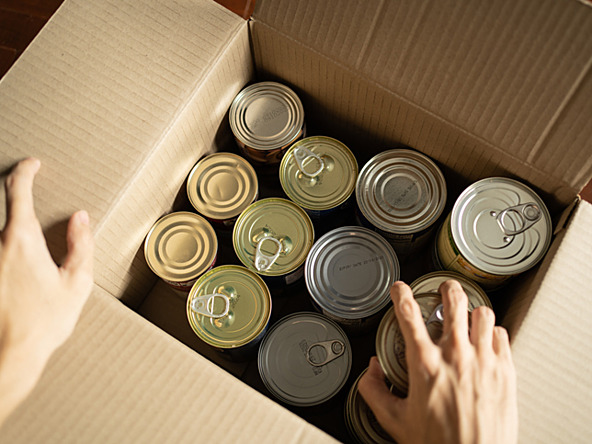
The research found that while people in the UK recognise future risks – 50% believe that five scenarios tested in the study are highly or fairly likely to occur in the next two years – the UK recorded an index score of 48 out of 100, placing it third from the bottom, equal with Lithuania.
France scored lowest for preparedness, with Germany at second-lowest, while Nordic countries lead the way, with Finland at the top of the index, followed by Norway and Sweden.
Participants considered the following crisis scenarios: a global pandemic involving a new contagious disease; a severe weather event causing widespread disruption; an IT failure or cyberattack disrupting financial systems; a cyber or physical attack on critical infrastructure, causing loss of gas or electricity; and a conflict following the invasion of an allied state.
The research found that 83% of UK respondents said their household could cope for less than one week without access to water, gas or electricity – the highest proportion across the 12 countries studied.
The UK also had the lowest score for ‘preparedness actions’, including storing water or cash and registering for emergency alerts.
Two-thirds of UK respondents ( 65%) felt that citizens and government share responsibility for preparedness.
Government is trusted by 51% of UK citizens for crisis information – more than twice the level in France and Germany ( 20%).
More than half in the UK ( 54%) are confident their community would pull together during a crisis.
The research suggests there is support for greater investment, with 71% believing the government should spend more on preparing for emergencies. However, priorities tend to focus on familiar or recently experienced risks: the greatest proportion of people ( 32%) prioritise strengthening the NHS, for example.
The research is published as the UK government prepares to launch a public awareness campaign on household resilience aimed at helping people better prepare for emergencies.
Ben Toombs, head of insight and strategy research at Verian, said: “The research shows that unfamiliar risks feel both more likely and harder to manage. People in the UK are less confident about coping with disruption to financial services or the domestic impacts of military conflict than with another pandemic or extreme weather, even though many of the practical steps households can take are similar.
“This suggests that informing people about those less familiar risks, as well as the general steps they can take, will make coping with their effects seem easier. People need to hear that information from trusted sources, which include emergency services and government, but different groups do not always trust the same messengers. Preparedness communications should therefore combine national messaging with local engagement from a variety of community voices.”
Craig Watkins, chief executive UK and EU, Verian, said: “There is strong public support for investing in emergency preparedness, but people naturally focus on risks they know and have experienced. As a result, health and climate threats will feel more immediate than less familiar risks facing the UK.
“Building support for a broader range of preparedness measures will take time. People need clear, credible information about the risks we face, the actions needed to address them, and how investment today can strengthen resilience before emergencies occur.”
Methodology
The 2026 Verian Preparedness Index measured preparedness across five pillars: confidence, household self-sufficiency, actions taken, perceptions of responsibility and trust in sources of emergency information. Individual responses generate a score between 0 and 100, with the average score producing each country’s index result.
The research covered 12 countries across Europe and the Asia-Pacific region. Fieldwork took place during July and August 2026, with around 14,000 people interviewed. In the UK, around 1,200 people were interviewed through Verian’s probability-sampled Public Voice panel.

We hope you enjoyed this article.
Research Live is published by MRS.
The Market Research Society (MRS) exists to promote and protect the research sector, showcasing how research delivers impact for businesses and government.
Members of MRS enjoy many benefits including tailoured policy guidance, discounts on training and conferences, and access to member-only content.
For example, there's an archive of winning case studies from over a decade of MRS Awards.
Find out more about the benefits of joining MRS here.






0 Comments