


Sense and sensibility: Behind the scenes of sensory research
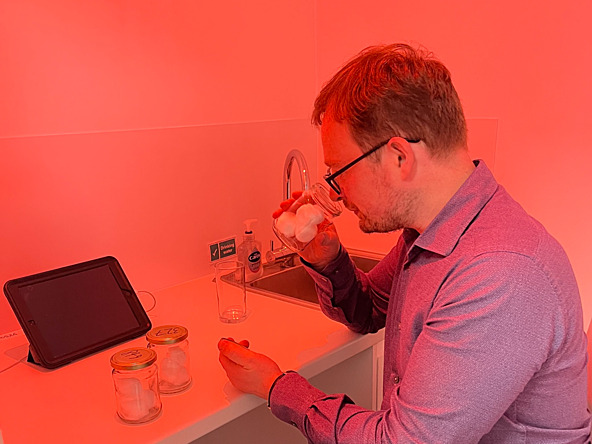
Four jars were on a table. Each one smelling differently. One strong, bleach-like. The next pine, with a hint of cedar. Next was the scent of apples. Finally, blossom – almost jasmine.
For the uninitiated, this taster (or perhaps scent would be more apt) was an opportunity to try out sensory research on a visit to MMR Research’s sensory research centre in Wokingham, just outside Reading. Sensory research is one area in which it is the human perspective that counts.
On trend
The MMR sensory research panel comprises 12 people, all of whom are food specialists and permanent staff members, recruited for and trained in the specifics of sensory research. The panel is tasked with testing products at various stages during the product lifecycle, providing detailed feedback and highlighting aspects of the sensory experience of a product for brands to consider.
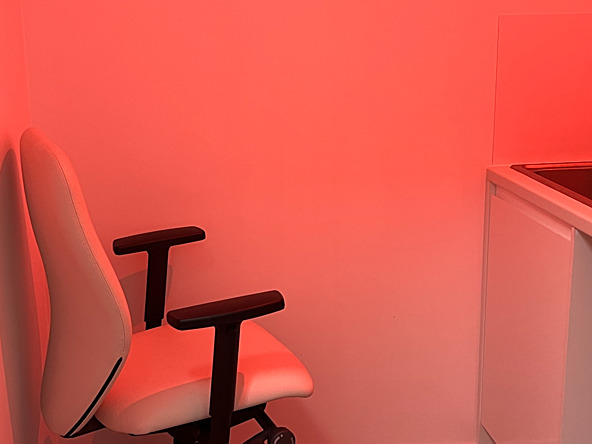
The centre has a series of rooms for the panellists to use. The rooms are designed to prevent other variables affecting the experience of the product – for example, a dumb waiter is used to bring food in, so cooking smells do not impact on opinions. During my visit, I was able to experience one of the rooms, examining different cleaning products. Inside, I was tasked with describing the smell of each product, differentiating each one and determining which was my favourite, and which didn’t cut the mustard. All in all, it was not quite the experience I was expecting.
Crisps and soft drinks, however, are more what I anticipated. We were asked to taste crisps, and then rank them from cheapest to most expensive. For a series of soft drinks, it was picking out the flavours involved, providing a detailed analysis of the experience of each beverage and trying to understand what its appeal could be to a wider audience.
This is a taster of life on a sensory panel. Brands will present their new products, often at varying stages of development, for analysis and testing by panel members. The results can then guide everything from product placement to advertising campaigns.
Phiala Mehring, sensory experience director at MMR Research, says that “one thing that brands have completely under their control is product experiences”, which she defines as being about “creating a moment or a bit of surprise that fixes a product or a product experience in a consumer’s memory”, such as the pop of a Pringles can, or the snap, crackle and pop of Rice Krispies. Or, in another term, “sensory theatre”.
Mehring adds that “deeply encoded sensory signatures” are “much harder to copy”.
Appeal to the senses
Sensory research can prove invaluable for helping brands to understand their appeal to a wider audience, says Natalia Chrusny, the agency’s global innovation director. This includes at home, as well as in the lab. In one UK-based study for a pantry staple, MMR Research set out to show the sensory characteristics that appealed most to consumers, and which had the biggest impact on their likelihood to recommend or re-buy the item. The study saw 221 consumers rate a national lead branded product, its main competitor and a private label alternative, with participants in full knowledge of the brand they had been provided with.
“I think humans are going to incrementally value those tangible experiences more”
The participants engaged with the product at home, using MMR Research’s conversational AI virtual monitoring tool, which is based on the principles of sensory research. The tool guided consumers through 11 different moments of product experience within this category, from the moment that they had the product in pack to aftertaste.
The study found that 64% of what participants mentioned came before the first bite of food. “If you don’t give space to all those moments before that first bite, you’re missing potentially half of the story of the product,” says Chrusny.
She argues that failing to use sensory research means a “missed opportunity to uncover levers, to uncover signatures, to uncover moments or rituals that perhaps you didn’t think about exploring in the past”. For example, in the study, 14% of participants cited aroma as a key sensory experience, compared to 2% to 4% for most other elements that appeared pre-eating.
Are you experienced?
The sensory centre tries to understand sensory characteristics in more detail. The process examines the ‘blueprint’ of a product, understanding the sensory characteristics, and what draws people to a brand.
There is a crowded market for many consumer products these days, and with a cost-of-living crisis still in force, competition is fierce. Brands therefore need to make an impact, which is where sensory research can come in. Sensory research can help provide a language for brands to play to their strengths and win over customers, as well as position themselves to capitalise on changing trends in the sector.
The company’s chief ideas officer, Andrew Wardlaw, says brands need to look beyond the “functional era of CPG”, which he defines as goods advertised based on their function rather than the enjoyment derived from their consumption – for example, brands that advertise protein content, or health or cognitive benefits. “There’s a danger with this functional era, with brands plastering ‘28 grams of protein’ on their product, because you could argue it’s giving the consumer transparency to compare them.
“There is fragility attached to this functional era. Brands can really start to regain momentum, maybe even regain some share in the longer term if they can reward consumers in ways that go beyond.”
GLP-1 weight-loss injections are also threatening to upturn the CPG sector even further. Wardlaw believes GLP-1 “is going to force brands to consider not just whether they’re liked or not, but whether the whole experience is worth it”. In this context, sensory research becomes vital to make sure that consumers who have restricted appetites plump for the brand in question, and therefore rests on making the experience of eating much more attractive.
GLP-1 could mean people might not feel hungry between meals, and so skip snacks, for example. The issue, therefore, is whether the opportunity for your product to be considered ever arises in the first place, rather than simply whether you are first choice in those moments.
Wardlaw adds that “there are multiple ways for brands to drive the memorability of a brand through the product experience”, for example, the crack of a magnum, or the way refill mechanisms on cleaning products can engage consumers. There is some evidence this sensory experience is driving sales among GLP-1 users – Lindt chocolate sales are up approximately 17.5% in GLP-1 households in the US, compared with around 6% in the average household, for example, as consumers on GLP-1 opt for more premium experiences in rarer snacking windows, given the impact of appetite-suppressing medication.
“Can consumer packaged goods be more ambitious to make those everyday moments more satisfying and meaningful because they are actually tangible, they’re not digital? In an age of the algorithm and AI, I think humans are going to incrementally value those tangible experiences more,” says Wardlaw. “How can brands earn a more significant place in people’s day? That is the opportunity and what we want to achieve here: to make ordinary product experiences more worth it.”

We hope you enjoyed this article.
Research Live is published by MRS.
The Market Research Society (MRS) exists to promote and protect the research sector, showcasing how research delivers impact for businesses and government.
Members of MRS enjoy many benefits including tailoured policy guidance, discounts on training and conferences, and access to member-only content.
For example, there's an archive of winning case studies from over a decade of MRS Awards.
Find out more about the benefits of joining MRS here.








0 Comments