


Standards needed for validating digital twins, says YouGov
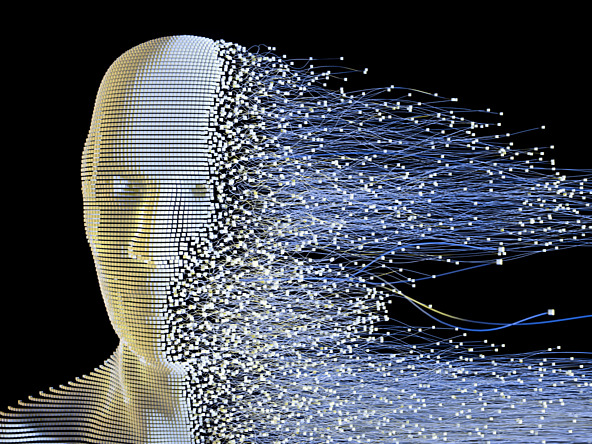
In a white paper, YouGov published results of a project with AI platform OriginalVoices that saw 1,008 digital twins (called “e-twins” by YouGov) compared against 693 of the real people the twins were based on.
Both the panellists and the e-twins were asked a series of the same new questions, with 69% of panellists responding within 48 hours.
Key findings included that 75% of the time, panellists judged their e-twin’s open-ended answers as describing their own views.
YouGov assigned each open-ended answer provided by an e-twin a confidence level of either high, medium or low using OriginalVoices.
Panellists said the answer described their own views “very” or “somewhat” well for 81% of high-confidence answers, 72% of medium and 67% of low, according to the research.
When asked about fiction books, which YouGov said was a subject not covered in the twins’ training data, the e-twins came within one point of their human 90% of the time.
YouGov said that contextual training data helped reduce the e-twins’ reliance on demographics, and said it spotted no pattern of biased performance by age, gender, race or education.
Adding panellists’ ratings of more than 4,000 entities lifted person-level accuracy from 78% to 90%, YouGov added.
Further research will focus on gaps not covered by the current study, such as examining how often a person repeats their own answer to a question.
The results showed a need for insight firms using digital twins or synthetic data to validate them against real human respondents and publish the methods and outcomes publicly, YouGov said.
The company also called on the industry to develop shared standards of verification and validation for defined use cases.
Stephan Shakespeare, chief executive and co-founder at YouGov, said: “The research industry is being transformed by AI in many ways but especially when it comes to simulation. Whether this is a dangerous development or a beneficial advance depends on whether clients can know if its outputs are reliable.
“I challenge everybody in the industry to work together to establish standards for verifying and validating simulated data. This white paper shows what we think these standards should involve – including the ability to validate simultaneously. If the industry wants simulation to be trusted by clients and the public, it needs to earn it and this can only be achieved through widely agreed standards.”

We hope you enjoyed this article.
Research Live is published by MRS.
The Market Research Society (MRS) exists to promote and protect the research sector, showcasing how research delivers impact for businesses and government.
Members of MRS enjoy many benefits including tailoured policy guidance, discounts on training and conferences, and access to member-only content.
For example, there's an archive of winning case studies from over a decade of MRS Awards.
Find out more about the benefits of joining MRS here.








0 Comments