


Critical thinking and culture vital to adapt to AI

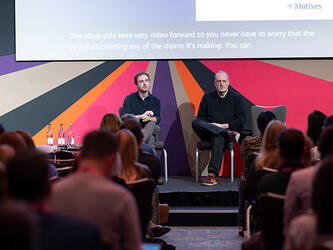
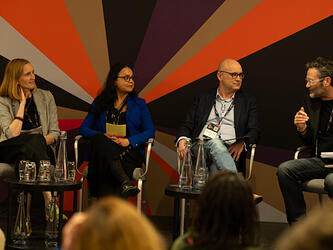
Speaking in a session on supercharging the impact of insights, Annie Auerbach, co-founder at Starling Strategy, said that while critical thinking was more needed than ever in a world where routine work is being automated by AI, there was evidence that the skill was in shorter supply among younger generations.
“The ability to problem solve and critically think is declining,” Auerbach said. “We are in an age where people are not reading – some people call it a ‘post-literate’ society. Orwell worried about banning books, but Aldous Huxley worried that we wouldn’t need to ban books as no one would want to read them in the first place.
“What do we do about that? It is important to acknowledge that AI can do all these brilliant things, but has a certain allure of polish, so when you get results, it can feel like you’ve done it. Collaboration is much more permeable – you can bounce ideas off each other.
“Is there a way we can design in frictions with that speed, agility and kineticism?”
Auerbach also said that “a strong culture also allows the individual to flourish” and was vital to achieving impact. “Building a strong culture can foster that sense of belonging and integration, while recognising and not ironing out the differences between us, and listening to those differences and feeling inclusive,” she explained.
She warned that “education has trained us for individual achievements” and that the trajectory of development of self “has a flipside in that people can feel quite isolated and atomised”, noting the importance of being able to “work together as a team and bounce off each other”.
Auerbach added: “We are not just researching the market, but we are also marketing the research. In terms of your ability to tell a story, your narrative and your ability to elicit emotion is super important. We need to help young people be empowered to do that.”
Jayant Srivastava, insight manager at 7stars, said that new skills were needed in early-stage careers due to the introduction of AI.
“Young professionals in the industry are being pushed to add that human lens and human insight, strategic implications and communicating those things that maybe wouldn’t have been part of their remit at the same stage of their careers a few years ago,” he said.
“There is pressure, need to adapt and develop more quickly, but at the same time there is not always that collaboration.”
People are “looking for things to bring us together”, such as industry bodies, Srivastava added.
James MacKenzie, head of insight at PZ Cussons, said that old ways of developing insight skills needed modernising in the age of AI.
“Where is the value in the apprenticeship in studying tables? It didn’t feel like a great lot of value when I was doing it. Every single person who’s worked with me doesn’t feel like there’s a great deal of value in it,” he said.
“Fundamentally it is about where you are going to play your best people and where you are going to play their skillsets.”
He also said that insight should be open to other people from related disciplines to come into the industry to gain experience. “I would much rather them developing that skillset with a bunch of experienced insight people who have that critical thinking, and then go off and work in marketing or R&D, and be a bit of a lighthouse for insight’s seat at the table and for how insight works,” Mackenzie added.

We hope you enjoyed this article.
Research Live is published by MRS.
The Market Research Society (MRS) exists to promote and protect the research sector, showcasing how research delivers impact for businesses and government.
Members of MRS enjoy many benefits including tailoured policy guidance, discounts on training and conferences, and access to member-only content.
For example, there's an archive of winning case studies from over a decade of MRS Awards.
Find out more about the benefits of joining MRS here.








0 Comments