


NIQ launches FMCG inflation barometer in five European markets
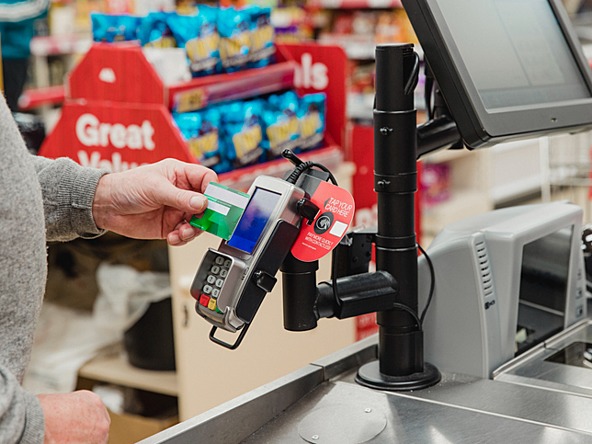
The first edition of the study found that Great Britain’s FMCG inflation was +2.3%, higher than the average of +1.1% across the countries studied (France, Great Britain, Germany, Italy and Spain).
In Britain, for the period ending 24th May 2026, non-alcoholic beverages recorded the highest inflation (+4.4%), followed by confectionery & snacks (+2.8%) and frozen food (+2.7%). Meanwhile, homecare and paper products were in deflation (-1.1% and -0.9% respectively).
France and Italy had the lowest inflation of the markets studied, at -0.4% and +0.6% respectively, according to the research. Germany’s FMCG inflation was at +1.3% and Spain’s was +1.2%.
Figures from the first edition are based on NIQ retailer pricing services data for the 13-week period ending 24th May 2026, compared with the same period year ago.
The study is based on harmonised FMCG retail measurement, consumer panel data and advanced analytics, and offers monthly analysis of inflation trends, shopper behaviour and price elasticity.
Benjamin Cawthray, client director at NielsenIQ, said: “The first edition of the NIQ EU5 Inflation Barometer reveals a slowdown in FMCG inflation across Western Europe’s largest markets. By May 2026, EU5 FMCG inflation had slowed to +1.1%, reaching its lowest level of the year as pricing pressures eased across most markets.
“While inflation is cooling at a regional level, the picture varies significantly by country. Great Britain remains the clear outlier, with FMCG inflation holding above 2%, while France has moved back into deflationary territory.
“Across continental Europe, a growing gap is emerging between FMCG inflation and broader consumer inflation, suggesting that supermarket pricing is no longer moving in line with wider economic trends.”
We hope you enjoyed this article.
Research Live is published by MRS.
The Market Research Society (MRS) exists to promote and protect the research sector, showcasing how research delivers impact for businesses and government.
Members of MRS enjoy many benefits including tailoured policy guidance, discounts on training and conferences, and access to member-only content.
For example, there's an archive of winning case studies from over a decade of MRS Awards.
Find out more about the benefits of joining MRS here.








0 Comments