


Childhood social media use linked to depression in teenagers
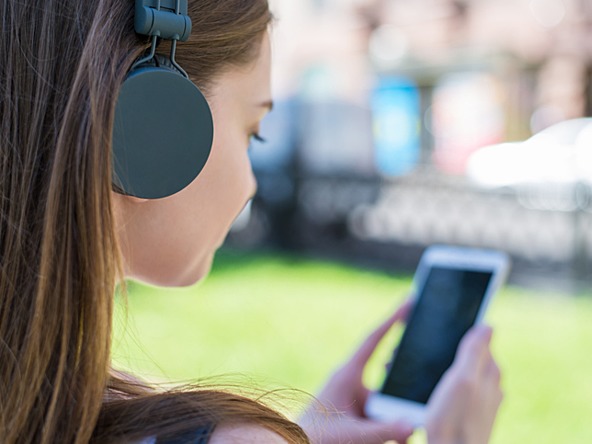
Children in Year 7 (aged 11-12 ) who used social media sites for more than three hours per day were more likely to have developed symptoms of depression and anxiety by the time they reached Year 9 and Year 10 (aged 13-15 ), than those who use it more moderately, found the latest analysis from the longitudinal SCAMP study, which is based on data collected between 2014 and 2018.
The research also found that girls had a stronger link between their usage and depression, compared with boys. Limited use of social media was defined as up to 30 minutes a day.
The study, based on data from 2,350 children in London, found that the effects are mainly driven by disruptions to sleep: greater social media use, particularly in the evenings, reduces the amount of sleep children have, which results in lasting impacts on their mental health.
Researchers collected baseline data from Year 7s from 2014-2016, with follow up data collected from 2016-2018.
Dr Chen Shen, from the School of Public Health at Imperial and first author of the study, said: “The relationship we see is complex, so it’s not as straightforward as saying that social media use directly causes poor mental health in children, like the well-established direct link between smoking and lung cancer, for example.
“But we see that children who use social media above a certain level when they are in Year 7 are more likely to develop mental health problems when they reach Years 9 and 10, and we believe this is largely due to sustained disruptions to sleep.”
The research is based on data collected prior to the advent of short-form video. Dr Shen added that further research is required: “Social media platforms have changed enormously over the last decade and are likely to change as much if not more in the next 5-10 years. As the platforms, usage and content evolve, we need continued research to understand how social media use affects children’s mental health in today’s digital environment.”
Led by researchers at Imperial, the SCAMP study (Study of Cognition, Adolescents and Mobile Phones (SCAMP) is a London-based adolescent cohort study, set up in 2014, that investigates the impacts of digital technology and environmental factors on young people’s health, cognition and mental wellbeing.
- ‘Social networking site use, depressive and anxiety symptoms in adolescents: evidence from a longitudinal cohort study (SCAMP)’ by Shen, C., Girela-Serrano, B.M., Di Simplicio, M. et al. is published in BMC Medicine.

We hope you enjoyed this article.
Research Live is published by MRS.
The Market Research Society (MRS) exists to promote and protect the research sector, showcasing how research delivers impact for businesses and government.
Members of MRS enjoy many benefits including tailoured policy guidance, discounts on training and conferences, and access to member-only content.
For example, there's an archive of winning case studies from over a decade of MRS Awards.
Find out more about the benefits of joining MRS here.










0 Comments