


Children exposed to weight-loss content online, finds children’s commissioner research
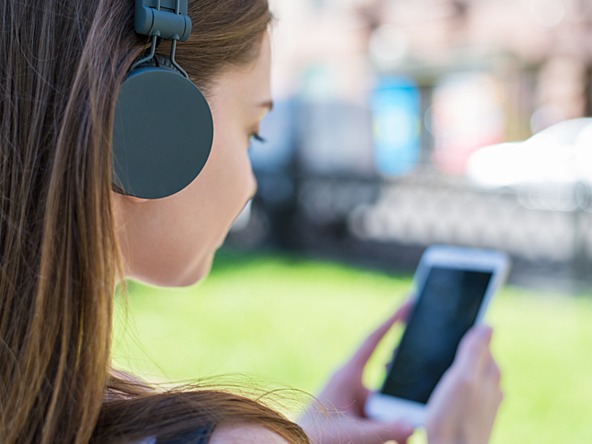
The report from the office of Dame Rachel de Souza, children’s commissioner for England, found that 41% of children surveyed have seen prescription-only weight-loss drugs (such as Ozempic or Mounjaro) online via social media platforms, despite an advertising ban on such products.
Of children that responded to the survey, 78% reported that being exposed to ‘appearance-changing’ products online had a negative impact on self-esteem.
This includes products that claim to promote weight loss or support muscle growth, and beauty products and procedures (ranging from make-up and skincare to ‘skin-lightening’, fillers and Botox).
Adverts for weight-loss prescription-only medicines (POMs) are against the law and advertising rules. However, social media users and ‘content creators’ can discuss and show products if they are not adverts.
The report is based on representative polling of 13-17 year-olds in England in December 2025 and focus groups with 18 young people aged 16-18 in October and November 2025. The online survey was commissioned by the children’s commissioner’s office and conducted by OnePoll.
The report highlights the impact of social media algorithms exposing children to different content depending on their gender or ethnicity. For example, girls were more likely than boys to see weight-loss injections, with 45% of girls participating in the research reporting having seen these products online, compared with 37% of boys. Boys, meanwhile, were more likely than girls to see supplements for muscle-building.
Black ( 46%) and Asian ( 35%) children were more likely than white children ( 24%) to have seen products that claim to lighten skin online. According to the research, they are also more likely to use these products, despite some ingredients being toxic and some of the products being illegal to sell.
Focus group research found that children had seen appearance-changing products on social media, in particular via short-form content (for example, TikTok or Instagram reels). While some of this content is organic, children participating in the focus groups reported seeing ‘a high level’ of advertisements, including influencer marketing that promoted a wide range of products that claim to make changes about your appearance’, according to the report.
Writing in the foreword to the report, Dame Rachel de Souza said: “This report seeks to quantify children’s exposure to products that are designed to change their appearance, from weight-loss injections to creams that claim to lighten skin colour to Botox and muscle boosters. Children tell me – and they have told tech companies directly in my presence – that they have been targeted by advertising for the kind of products tech companies would insist were blocked from their social media feeds, or even those that should by law be banned from being shown to them.”
With the UK government consulting on introducing a social media ban for under-16s, the report contributes to the debate, but also highlights the limitations of bans, the commissioner said.
De Souza wrote: “It is not enough to simply want to ban something. Introducing a ban is not an immediate guarantee that children are safer. In many ways, deciding to impose a ban is the easy bit. The hard work is making sure a ban is workable, well-understood, easily enforced and has teeth. When companies are found to be breaking the rules, sanctions must be significant enough to create a genuine disincentive.”
The children’s commissioner’s office has called for the government to improve regulation and enforcement of the online sale of age-restricted items and restrict all advertising to children on social media.
It is also calling for Ofcom to amend the Children’s Code of Practice to protect children from body stigma content, and wants to see further age restrictions on what children can see and do online.
We hope you enjoyed this article.
Research Live is published by MRS.
The Market Research Society (MRS) exists to promote and protect the research sector, showcasing how research delivers impact for businesses and government.
Members of MRS enjoy many benefits including tailoured policy guidance, discounts on training and conferences, and access to member-only content.
For example, there's an archive of winning case studies from over a decade of MRS Awards.
Find out more about the benefits of joining MRS here.







0 Comments